Tejas Aircraft Crash: What Really Happened And Why The IAF Grounded The Fleet
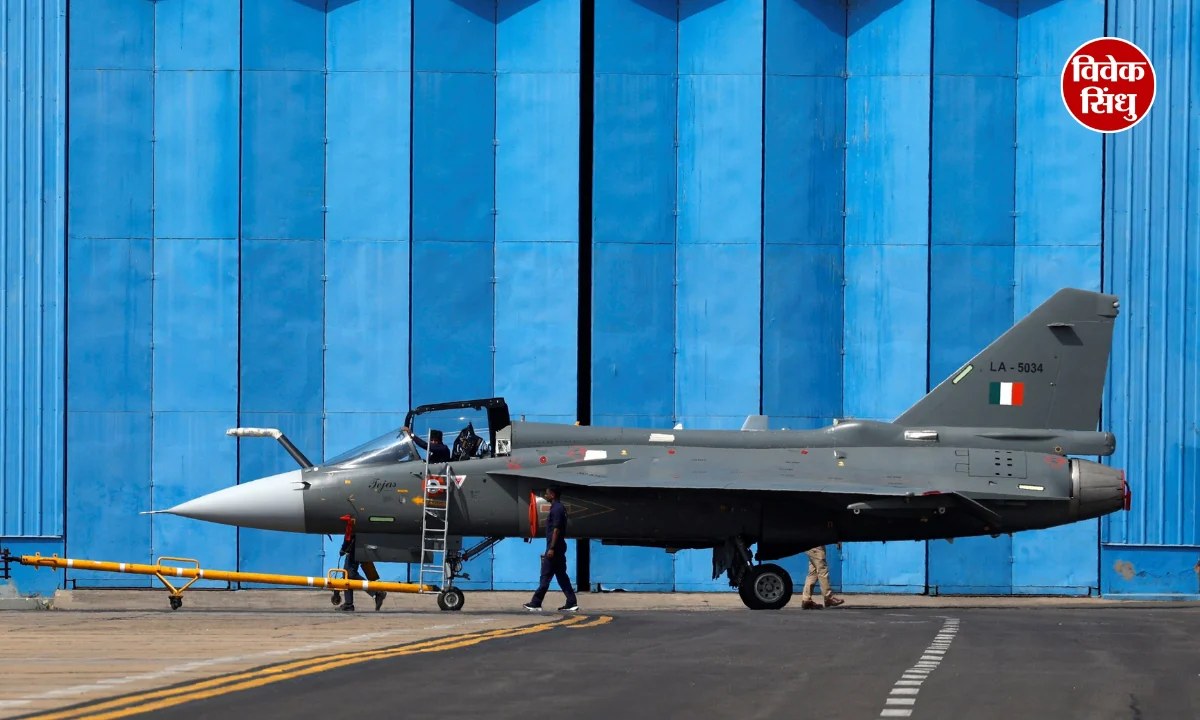
Tejas Aircraft Crash: What Really Happened And Why The IAF Grounded The Fleet
The story of the Tejas plane crash has once again brought India’s own fighter jet program into the news. A Tejas LCA reportedly went off the runway after a training flight on February 7, 2026. At first the news called it as a crash but now Hindustan Aeronautics Limited said that it was just a small technical problem on the ground.
So what really is going on?
This isn’t just about one plane. There are now claims of brake failure, the Indian Air Force grounding its fleet, accidents that happened in 2024 and 2025, and questions about the quality of production and the delivery times for the Mk1A. If you looked for “Tejas crash,” “LCA accident,” or “IAF grounds Tejas,” here is a clear breakdown without any extra noise.
Key Takeaways
- The February 7, 2026 incident involved a Tejas Mk1 overshooting the runway after a training sortie.
- Suspected brake failure is being examined as a possible cause.
- The pilot ejected safely and avoided serious injury.
- HAL denied reports of a crash and termed it a minor technical ground incident.
- The IAF grounded around 30 single seat Tejas jets for technical inspection.
- This is the third major Tejas related incident since 2024.
- Public opinion on X is sharply divided between support and criticism.
What Happened On February 7, 2026
Several reports say that a single-seat Tejas Mk1 plane was coming back from a routine training flight at a forward airbase. The jet is said to have lost its brakes while landing and missed the runway. It crashed into a ditch and broke a lot of its structure.
Some reports said that the damage was so bad that the plane was considered a hull loss. But no one has officially confirmed that term.
The most important thing is that the pilot got out safely. Some sources said there were minor injuries, but no one died. In combat aviation, the most important thing is always the pilot’s safety. The system worked in that way.
HAL’s Official Statement and the Crash Debate
Hindustan Aeronautics Limited made a formal statement on February 23, 2026. HAL said that there were no reports of the LCA Tejas crashing. It called the event a small technical problem on the ground.
HAL also pointed out that the LCA Tejas has one of the best safety records of any modern fighter jet in the world. The company said that the problem is being looked into according to standard operating procedures and with the help of the Indian Air Force.
This change in wording sparked a debate. The news used words like “crash” and “major damage.” HAL used a small technical problem. The lack of language became the focus of the argument.
Some people think that HAL is trying to protect the reputation of the indigenous program. Some people say that calling it a crash too soon is wrong until the final probe report comes out.
Why did the IAF ground the Tejas fleet?
The Indian Air Force reportedly grounded its fleet of about 30 single-seat Tejas jets after the event. Grounding is a safety measure. It lets engineers and technical teams look at systems on all of the ships in the fleet.
Here is a simple table that shows what grounding usually means:
- What was done and why
- Technical CheckLook for brake or hydraulic problems that are similar.
- Analysis of DataLook at the parameters for taking off and landing
- Work with HAL to find flaws in the system or the way it was made
- Clearance After ReviewFly again once safety is assured
Grounding the plane doesn’t always mean it’s not safe. It means that the air force wants no risk before they start working again.
Tejas’s safety record and past problems
The Tejas fleet has been in trouble before, not just in February 2026. In the past few years, there have been two other big accidents.
- Crash in March 2024 near Jaisalmer during an operational sortie.
- A deadly crash happened in November 2025 during an aerial display at the Dubai Airshow.
- February 2026: A plane went off the runway while landing after a training flight.
Three big things happening in two years is sure to raise eyebrows. At the same time, fighter jets fly in very dangerous places. Even the most advanced fighter jets in the world have accidents while training or showing off.
The Aeronautical Development Agency came up with the idea for Tejas, and Hindustan Aeronautics Limited made it. It is a fighter plane with one engine that can do many things. It protects the air, looks for enemies at sea, and strikes. In 2015, the Indian Air Force added it to its fleet as part of India’s goal to be self-sufficient in defense.
People have very different opinions about X.
People have reacted strongly to X. There are three clear groups on the platform.
People who are defensive and nationalistic say that these kinds of things happen all the time in combat flying. Many people said that sensational headlines hurt people’s spirits. A lot of people thought that more Tejas jets should be added quickly instead of asking about every problem.
Some people were worried about HAL’s quality control and the long time it took to develop. Some posts made fun of the program and said the event was part of bigger problems in defense production. Some accounts even shared unverified videos that said they were the third crash.
Neutral users spread HAL’s official word. They told people not to spread rumors and to wait for the results of the investigation to be confirmed.
This polarization shows that Tejas is more than just a fighter plane now. It represents the production of defense weapons by indigenous people. That’s why every LCA accident turns into a national debate.
What about the Mk1A version and the delays in delivery?
People are also talking about the Tejas Mk1A variant again because of what happened. The Mk1A is expected to have better avionics, radar systems, and ease of maintenance. Any accident that happens in the current fleet affects how people see the new model.
People have already talked about delays in production. The Indian Air Force wants to add more squadrons. Every grounding has an effect on operational readiness, even if it’s only for a short time.
If the brakes do fail, the next steps will be to check the supply chain, make sure the quality is good, and, if necessary, redesign the system. If the probe finds that the pilot’s actions or the condition of the runway were to blame, the story may change again.
How bad is it to go off the runway?
A runway excursion happens when a plane goes off the runway while it is landing or taking off. It doesn’t always mean a crash or failure in midair.
In this case, the plane is said to have gone off the runway because the brakes may have failed. In these situations, structural damage can still be very bad. Fighter jets are very complicated machines. Even stress on the landing gear can cause big repair costs.
If the aircraft is declared a hull loss, it might not be able to fly again. That is a setback in terms of money and operations. But from a safety point of view, the most important thing is still that the pilot survives.
A Bigger Picture for India’s Defense Self-Reliance
The story of India’s defense self-reliance centers on Tejas. Indigenous platforms make us less reliant on imports. They also make the local aerospace industry stronger.
But trustworthiness and openness are what make credibility. It will be very important for HAL and the IAF to talk to each other clearly. It can hurt trust to downplay or blow up events.
An investigation is going on into the current situation. So far, there are no confirmed results other than HAL’s explanation and reports of fleet inspections.
The debate over the crash of the Tejas plane brings to light three facts for now:
- There is always a risk in combat aviation.
- Public opinion is important in strategic programs.
- Being open and honest builds trust over time.
It’s best to stick to facts that have been checked until the final technical report comes out. The Indian Air Force and HAL will eventually give full reports. That will tell us if this was just a small problem on the ground or a bigger problem with the system.
In conclusion
The Tejas runway incident in February 2026 has brought up safety, quality control, and fleet readiness again. The pilot lived. The plane was badly damaged. HAL says it didn’t call it a crash. The IAF has stopped flying the fleet for checks.
The story is still changing for now. A clear investigation and quick action to fix the problem are the most important things. Tejas is still an important part of India’s plan for air defense. In the next few weeks, we’ll see how quickly trust is rebuilt.
Related Posts :


Share This Post